RLCAG’s Discussion Paper is available here.
Target values for Water Quality parameters identify the desired range, median or upper limit for the proposed purpose. Trigger values are also used to identify limits to WQ parameters which if exceeded require further investigation or immediate remediation or safety measure to be put in place to protect the water user.
The main focus to date in the management of the Murray=Darling Basin has been on water flows and little attention has been given to water quality. In addition, secondary indicators such as vegetation health, fish populations and migratory birds have been the main focus of reporting outcomes with little information on water quality values.
By setting appropriate target values for the primary indicators of water quality, it becomes immediately clear when the ecosystem is not in the desired condition to support healthy secondary indicators and action is required. Also, it is clear which parameter is not in compliance, and the actions can be focused on mitigating that parameter before secondary indicators are adversely affected over time.
The target values need to be established with a good scientific knowledge of the ecosystem and how secondary indicators respond to a range of water quality parameters. Target values need to be Specific, Measurable, Achievable, Relevant and Time-bound, i.e. SMART.
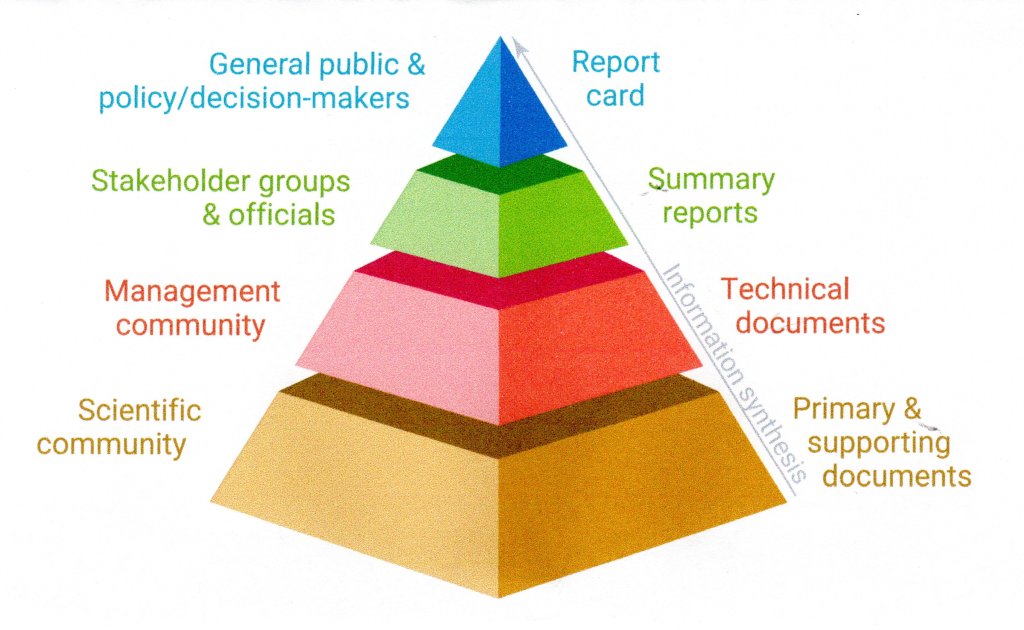
To ensure cultural and community engagement we need an accessible comprehensive centralised dashboard with regular (e.g. annual) meaningful report cards including water quality, cultural and ecological performance against meaningful and appropriate targets.
 River Lakes & Coorong Action Group Inc.